
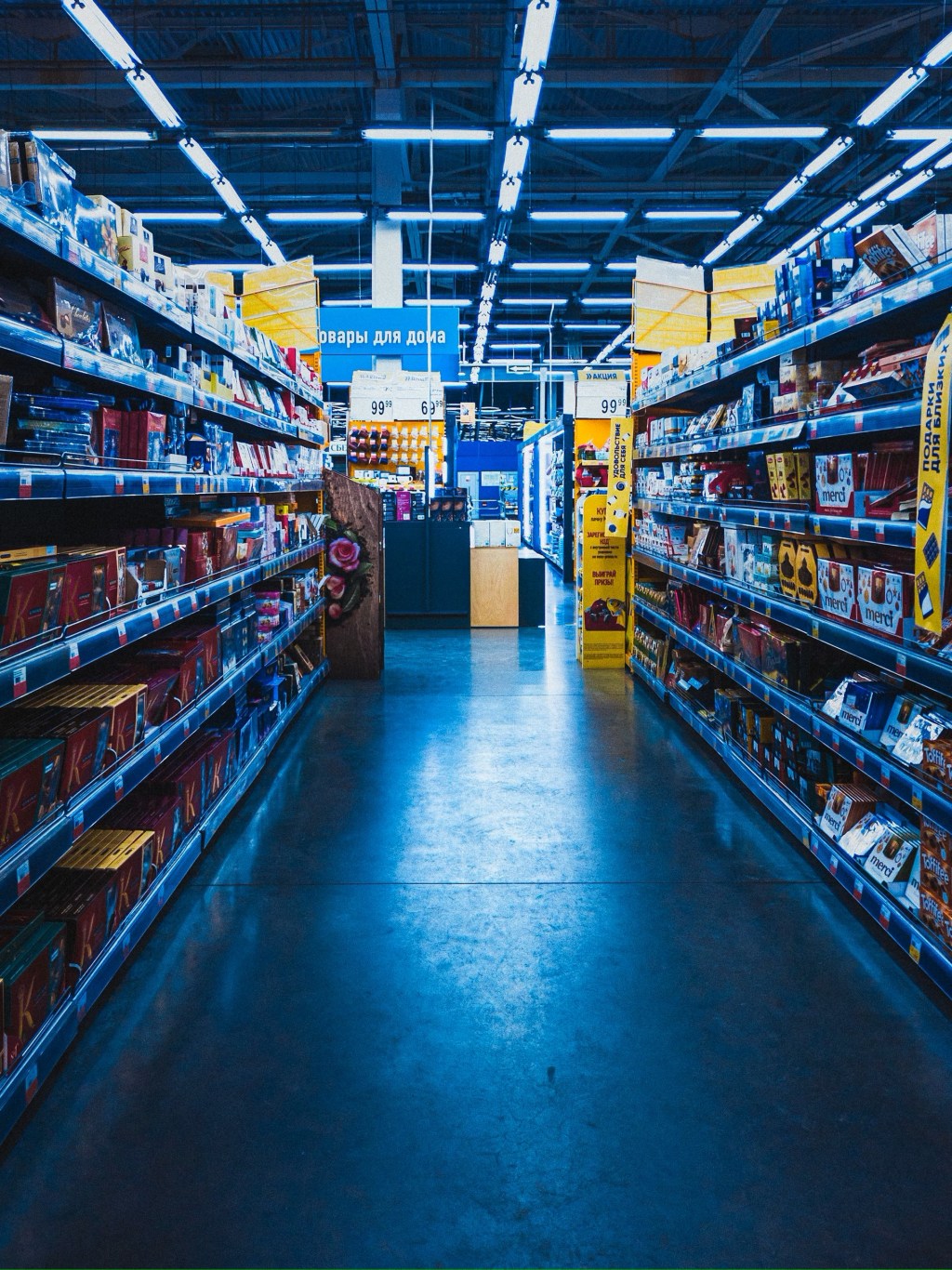
In the realm of retail, fostering loyalty among partners is vital for a brand’s success. Retailer loyalty entails the allegiance of retail partners to a brand, compelling them to prioritize and promote the brand over competitors. Let’s delve into the essential factors that influence retailer loyalty and how brands can leverage them to cultivate strong partnerships with retailers.
1. Exceptional Support and Service
Central to fostering retailer loyalty is providing exceptional support and service to partners. Brands that offer responsive support, timely assistance, and effective training programs equip retailers with the tools and knowledge they need to succeed. By prioritizing the success of their retail partners and providing ongoing support, brands can build trust and loyalty among retailers, encouraging them to advocate for the brand.
2. Competitive Product Offerings
Retailers are more likely to remain loyal to brands that offer competitive product offerings that resonate with their customers. Brands that continually innovate, introduce new products, and adapt to changing market trends demonstrate their commitment to supporting retailers’ success. By providing a diverse range of high-quality, in-demand products, brands can enhance retailer loyalty and drive sales for both parties.
3. Transparent and Fair Policies
Transparency and fairness in business dealings are essential for fostering trust and loyalty among retail partners. Brands that maintain clear and equitable policies regarding pricing, discounts, returns, and incentives create a positive working relationship with retailers. By fostering an environment of trust and fairness, brands can strengthen retailer loyalty and encourage long-term partnerships built on mutual respect and cooperation.
4. Effective Communication and Collaboration
Open communication and collaboration are key to nurturing retailer loyalty. Brands that engage with retailers regularly, seek their input, and involve them in decision-making processes foster a sense of partnership and ownership. By maintaining open lines of communication and fostering collaboration, brands can address retailers’ concerns, align on strategic objectives, and work together to achieve mutual success.
5. Marketing and Promotional Support
Providing marketing and promotional support is crucial for driving retailer loyalty. Brands that invest in marketing initiatives, advertising campaigns, and promotional materials that benefit both the brand and its retail partners demonstrate their commitment to driving sales and generating demand. By providing retailers with the tools and resources they need to effectively market and promote the brand, brands can strengthen retailer loyalty and drive mutual growth.
6. Consistent Performance and Reliability
Consistency and reliability in delivering products and services are essential for building retailer loyalty. Brands that maintain consistent product availability, on-time delivery, and reliable support services instill confidence in their retail partners. By consistently meeting or exceeding retailers’ expectations, brands can build trust and loyalty, ensuring that retailers continue to prioritize and promote the brand over competitors.
Conclusion
In the competitive world of retail, nurturing loyalty among partners is critical for a brand’s success. By prioritizing exceptional support and service, offering competitive product offerings, maintaining transparent and fair policies, fostering effective communication and collaboration, providing marketing and promotional support, and delivering consistent performance and reliability, brands can cultivate strong, enduring partnerships with retailers. By understanding and leveraging the key drivers of retailer loyalty, brands can build a loyal network of retail partners that serve as advocates for the brand, driving mutual success and growth in the dynamic retail landscape.
In the realm of retail, fostering loyalty among partners is vital for a brand’s success. Retailer loyalty entails the allegiance of retail partners to a brand, compelling them to prioritize and promote the brand over competitors. Let’s delve into the essential factors that influence retailer loyalty and how brands can leverage them to cultivate strong partnerships with retailers.
1. Exceptional Support and Service
Central to fostering retailer loyalty is providing exceptional support and service to partners. Brands that offer responsive support, timely assistance, and effective training programs equip retailers with the tools and knowledge they need to succeed. By prioritizing the success of their retail partners and providing ongoing support, brands can build trust and loyalty among retailers, encouraging them to advocate for the brand.
2. Competitive Product Offerings
Retailers are more likely to remain loyal to brands that offer competitive product offerings that resonate with their customers. Brands that continually innovate, introduce new products, and adapt to changing market trends demonstrate their commitment to supporting retailers’ success. By providing a diverse range of high-quality, in-demand products, brands can enhance retailer loyalty and drive sales for both parties.
3. Transparent and Fair Policies
Transparency and fairness in business dealings are essential for fostering trust and loyalty among retail partners. Brands that maintain clear and equitable policies regarding pricing, discounts, returns, and incentives create a positive working relationship with retailers. By fostering an environment of trust and fairness, brands can strengthen retailer loyalty and encourage long-term partnerships built on mutual respect and cooperation.
4. Effective Communication and Collaboration
Open communication and collaboration are key to nurturing retailer loyalty. Brands that engage with retailers regularly, seek their input, and involve them in decision-making processes foster a sense of partnership and ownership. By maintaining open lines of communication and fostering collaboration, brands can address retailers’ concerns, align on strategic objectives, and work together to achieve mutual success.
5. Marketing and Promotional Support
Providing marketing and promotional support is crucial for driving retailer loyalty. Brands that invest in marketing initiatives, advertising campaigns, and promotional materials that benefit both the brand and its retail partners demonstrate their commitment to driving sales and generating demand. By providing retailers with the tools and resources they need to effectively market and promote the brand, brands can strengthen retailer loyalty and drive mutual growth.
6. Consistent Performance and Reliability
Consistency and reliability in delivering products and services are essential for building retailer loyalty. Brands that maintain consistent product availability, on-time delivery, and reliable support services instill confidence in their retail partners. By consistently meeting or exceeding retailers’ expectations, brands can build trust and loyalty, ensuring that retailers continue to prioritize and promote the brand over competitors.
Conclusion
In the competitive world of retail, nurturing loyalty among partners is critical for a brand’s success. By prioritizing exceptional support and service, offering competitive product offerings, maintaining transparent and fair policies, fostering effective communication and collaboration, providing marketing and promotional support, and delivering consistent performance and reliability, brands can cultivate strong, enduring partnerships with retailers. By understanding and leveraging the key drivers of retailer loyalty, brands can build a loyal network of retail partners that serve as advocates for the brand, driving mutual success and growth in the dynamic retail landscape.
 Listen2Data Consultancy